Droneye: Project Management
I led our startup-styled senior capstone as project manager. Here's how we defined, visualized, and executed a vague, ambitious problem from the PM seat.
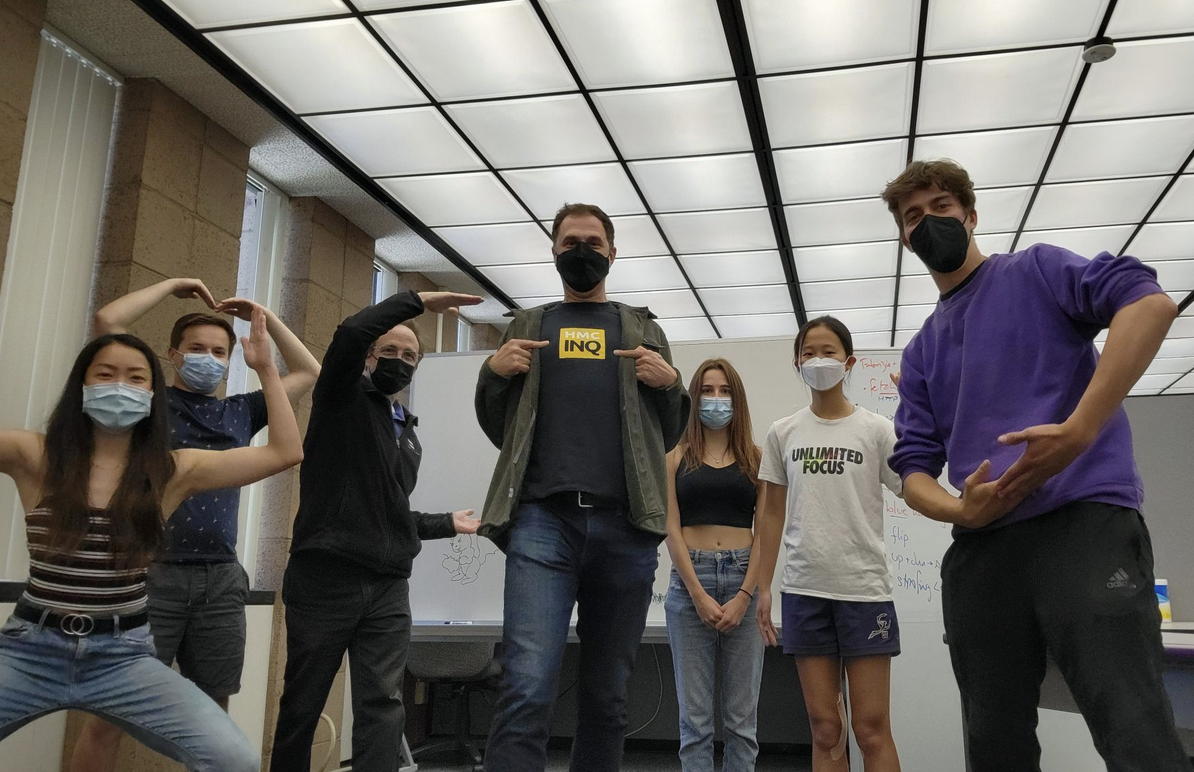
About the project
Problem: design, build, and deploy a system to divert mammalian pests from gardens using non-lethal and humane interventions.
This project was sponsored by HMC INQ, an incubator for startups founded by students and alums across the five Claremont Colleges. Over two semesters, our clinic team took a vague problem and worked it all the way to a fully functional system — from proposing solutions, to prototyping, to integration.
The deliverable was an autonomous drone for diverting pests like squirrels and possums that can be replicated with relatively little cost and effort.
I was the project manager over the spring semester. The startup-styled framing made the work both fun and challenging. Below is how we defined, visualized, and executed from the PM perspective. For the technical side, see my post on the system.
Target audience
Lots of homeowners and farmers want non-lethal, autonomous ways to protect their property — but such a system doesn't really exist, and even if it did, people won't spend >$1000. Most middle-class families, though, have touched a drone. So we defined our target audience as:
- Middle-class homeowners
- People with a suitably sized backyard containing fresh produce
- Drone hobbyists
Per the Economic Policy Institute, 60% of households by income held about 45% of the nation's wealth in 2019, and 70 million US homes are single-unit detached homes. The middle class is a complex measure, but these signals point to a real market with strong purchasing power.
Market & current players
We spent a week researching the problem. Per a 2021 Statista report, the drone market was an estimated $27.4B in 2021 and projected to more than double to $58.4B by 2026, with 5 million consumer drone units shipped in 2021 alone. Two existing players tackling this space were FitoStinger and various ultrasonic squirrel repellers.
Moving parts
The system has three major parts:
- Web app
- Drone
- Cloudifier (communication between the web app and drone)
Thanks to the structure we set up, we hit every deadline and deliverable.
Full-year vision
We planned four stages of deliverables:
- Piecewise system
- Integrated system
- Deployable system
- Tuned system
Team management
The PM leads the team, fosters innovation, keeps everyone on timeline, and communicates with stakeholders. We ran a 1-week sprint cadence, which gave us:
- A streamlined communication process
- Flexibility to pivot
- Ample support from our liaison and advisor
- Space for teammates to focus on individual contributions
R&D process management
For the technical management of the project, there were three main parts:
- Imagine system flow: propose, analyze, determine
- Research & prototype: prioritize, split into sub-teams, then loop back and refine
- Define user flow and determine the optimal architecture
Imagining system flow
We proposed a system flow, then ran SWOT analysis on our strategies. That process surfaced our strengths and trade-offs, and we settled on two key attributes: use light on the drone to deter pests, and fly an AI-determined path.
Research & prototype
With the key attributes set, we used a simple loop to guide R&D: prioritize, split into sub-teams, prototype and test, then return to system flow and refine.
Define user flow
Finally, with a solid sense of the product's capabilities, it was time to stitch everything into a seamless system — which we did by taking a user-oriented view and mapping the full user flow.
Keep reading
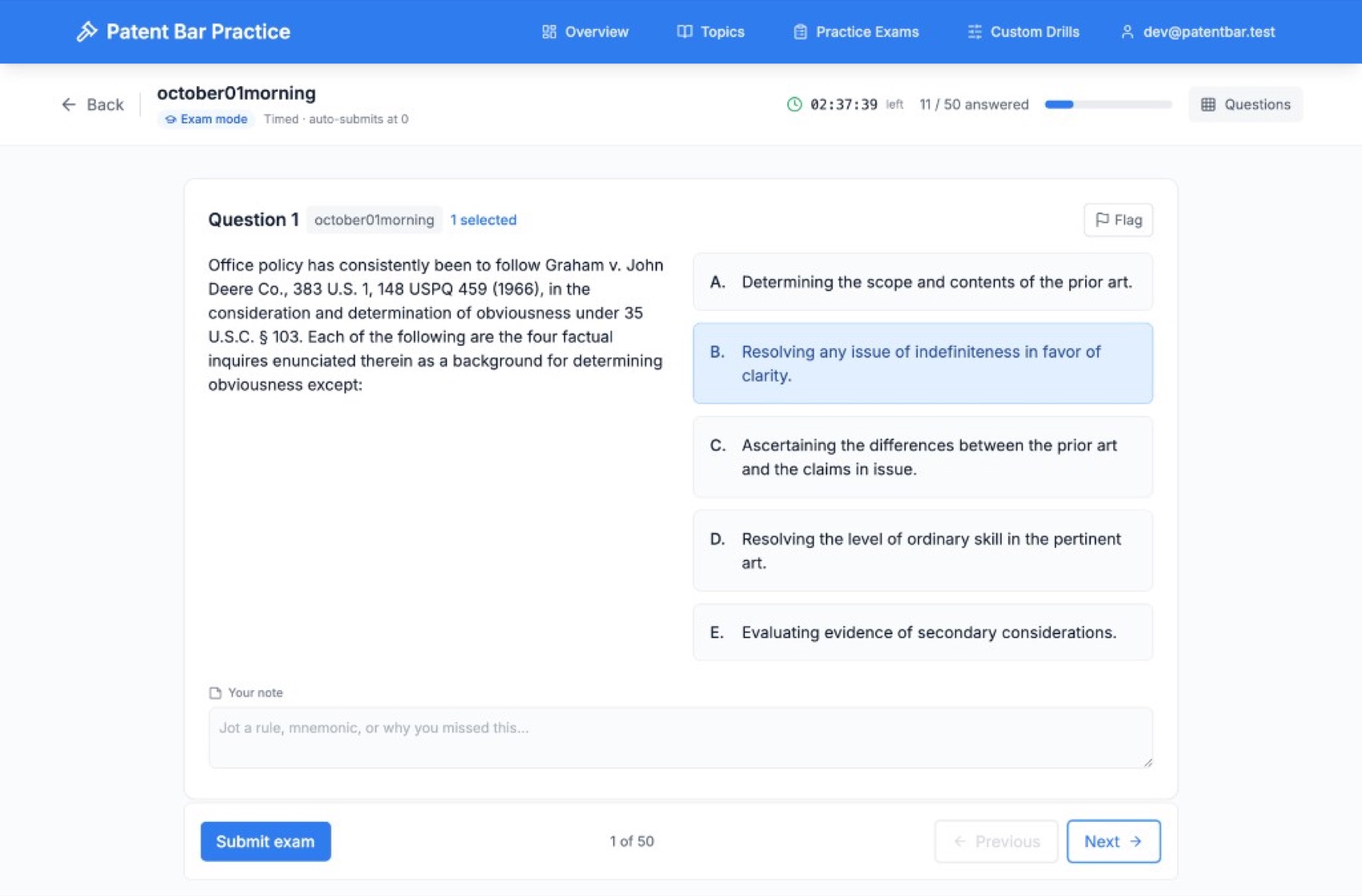
Building a Patent Bar Practice Site
I wasn't going to pay $3,000 for patent bar prep on top of the exam fee. So I built my own practice site — real past exams, drills, and a way to track whether you're actually ready.
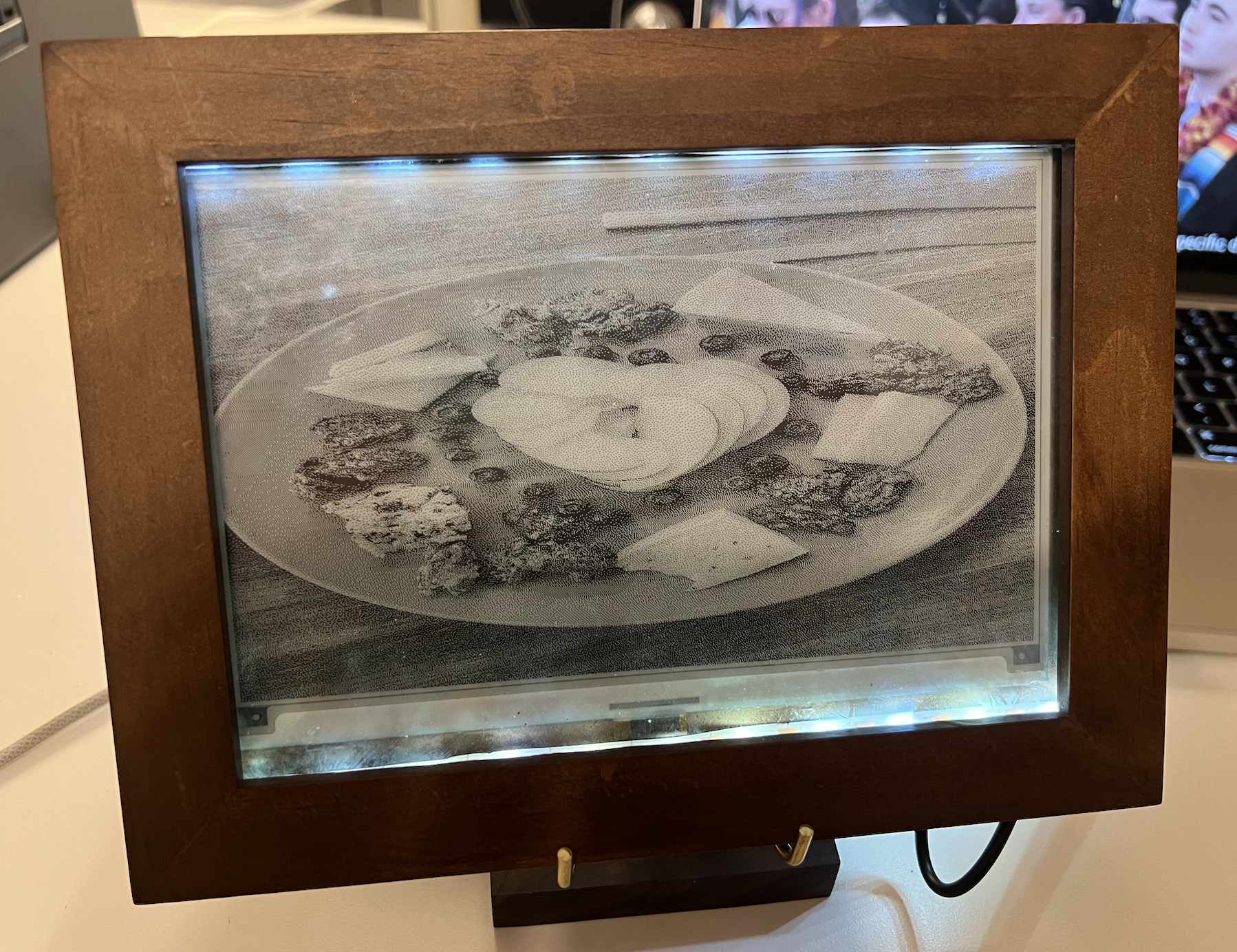
Building an E-Paper Digital Picture Frame
A low-power digital picture frame built on a Raspberry Pi and a 7.5" e-paper display. It auto-syncs photos from Google Drive, refreshes hourly, and boots straight into slideshow mode.
Launching the Allegris Seatmap
As Product Manager on the Gordian team, I helped lead the €2.5B Allegris seatmap rollout for Lufthansa — a major cabin overhaul focused on luxury and personalization.